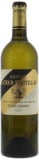
| Classification | Cru Classe |
| Type | White |
| Producer | Chateau Latour-Martillac |
| Vintage | 2022 |
| Country | France |
| Main region | Bordeaux |
| Region | Graves |
| Grape | Sauvignon Blanc, Semillon |
| Alcohol % | 13.5% |
| Volume | 0,75 |
| Condition | Perfect |
| Label | Perfect |
| Drinkable | -2038 |
| Stock | 44 |
The 2022 growing season in Bordeaux was hot, dry and record warm. For a white wine like Latour-Martillac Blanc, this meant only one thing: the weather would be hotter and drier than ever before. The team harvested the Sauvignon Blanc and Semillon earlier than planned and harvested them before the heat reduced their acidity. The result is a 2022 white wine that is more concentrated than usual, but still has the tension that makes Pessac-Léognan white wine worth drinking.
A blend of 52% Sauvignon Blanc and 48% Sémillon, the 2022 Latour Martillac Blanc reveals aromas of pear, peach, iodine, lime tree and verbena. Medium to full-bodied, tense and mineral-driven with a salty, fresh finish, this is a classic and incisive Latour Martillac Blanc.
A lively white, with a mix of tarragon, verbena and thyme backed by lemon curd, star fruit and white peach flavors. A quinine thread adds length and cut on the finish. Delicious. Sauvignon Blanc and Sémillon.
Fresh and bright with lemon pith, white flowers and chalky minerality. Medium- to full-bodied with vivid acidity. Really attractive and crisp.
A blend of 52% Sauvignon Blanc and 48% Sémillon, the 2022 Château Latour-Martillac Blanc delivers a chalky, mineral-driven nose with a kiss of reduction, crushed citrus, and mint. Rivetingly pure and full of energy, this aged for 15 months in oak barrels and should drink beautifully for 15+ years.
Light yellow green, silver reflections. Fresh meadow herbs, white tropical fruit, lime zest, green apple. Tight-knit, crisp and mineral, yellow apple and a touch of blossom honey, lime zest in the finish.
First impression: grapefruit peel, white peach and waxy lanolin notes that bring semillon to the Pessac-Léognan blend. The oak notes are perceived as a subtle smokiness rather than vanilla. On the palate, the 2022 wine has more weight than cooler vintages, but the acidity supports it. The finish is long, with citrus notes and chalky flavors. Drink it now and you'll detect fruitiness; wait five years and honeyed notes will start to emerge.
Semillon is a historic Latour-Martillac grape that still makes up the bulk of the white blend. It has a waxy texture and aging potential. Sauvignon Blanc has increased its share since the 1980s, adding citrus sharpness and aromatic exuberance.
Drink between 2026 and 2038; the 2022 is highly concentrated, so it should be left in the cellar for a few years to integrate with the oak. Semillon is the driving force behind its aging, and honey, beeswax and nutty notes emerge with storage time at 12-14°C. Younger bottles show more citrus and freshness.
The estate takes its name from a 12th century tower built in the courtyard by the ancestors of the philosopher Montesquieu. But the wine story begins with Édouard Kressmann, a Bordeaux merchant who noticed the quality of the local white wines in 1871. His son Alfred Kressmann bought the place in 1930. What makes Latour-Martillac so special: it is one of the few domaines in Graves classified as Cru Classé for both red and white wines. It is currently managed by Tristan and Loïc Kressmann. The white wines, which make up half of production, are considered particularly noteworthy.
The domaine is located on a gravel plateau in Pessac-Léognan, in the northernmost part of Graves. Why is gravel important? It drains well, stores heat during the day and gives it up at night. This allows for the extended ripening period needed for semillon and sauvignon blanc to develop flavors without losing acidity. Underneath the gravel is soil composed of clay and limestone. The clay retains moisture, preventing the vines from stalling during the dry periods that characterize Bordeaux.
Barrel fermentation is very important for white wines. The juice is fermented directly in French oak barriques (225-liter barrels). The wine is then aged on the lees for 10-12 months with regular stirring (bâtonnage). Why do this? Stirring the lees creates texture and softens the oak so that the wine doesn't turn into a vanilla bomb. In addition, the ratio of new oak is intentionally kept low. This is because we want to support the fruit flavors, not bury them under toast and spice.
The acidity and waxy texture make this wine more of a meal than an aperitif. Serve with:
At 10-12°C. Too cold a temperature will cause the semillon to lose texture.
With track & trace code