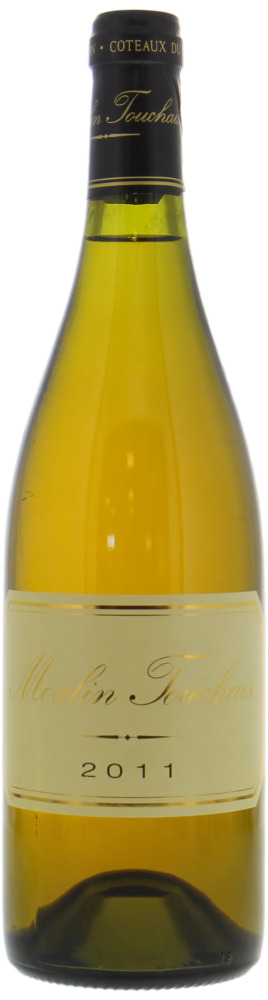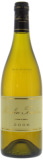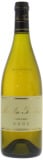

| Classification | Cru Classe |
| Type | White |
| Producer | Moulin Touchais |
| Vintage | 2011 |
| Country | France |
| Region | Loire |
| Grape | Chenin Blanc |
| Alcohol % | 13.5% |
| Volume | 0,75 |
| Condition | Perfect |
| Label | Bin stained |
| Drinkable | -2045 |
| Stock | 5 |
The 2011 growing season in Anjou got off to a warm start. A hot spring hastened budbreak, a fickle summer and September brought the cool, misty mornings and dry afternoons the District needed most. Perfect weather for botrytis. For Moulin Touchais, pickers had to constantly pass through the vineyards, chasing concentrations of bunches of grapes affected by noble rot. The 2011 is a balanced, medium-weight vintage, not as lush as 2010, but with acidity that will allow the Chenin Blanc to age for decades. The wine has good acidity that will linger for decades.
The first sensation is tension. The nose is honeyed quince and dried apricots, with hints of beeswax, chamomile and ginger. You'd think the sweetness would dominate, but it doesn't. It isn't. The acidity of the Chenin Blanc shines through the residual sugar, leaving behind a salty rather than sticky finish. It's medium-sweet, not dessert-like. I'd serve it with a meal, not after. Drinks well now, but it has many more years ahead of it.
There is only one grape variety allowed in Coteaux du Layon, Chenin Blanc. Locally, it is referred to as Pinot de la Loire. So why is it suitable for sweet wines? There are two reasons. Chenin retains its acidity even when the sugar content of the grapes exceeds 200 g/l. And it tolerates noble rot (a fungus that causes grapes to shrivel and concentrate everything inside) without losing its nervous structure.
Drink from now until 2045. Chenin Blanc is one of the longest-lived white grapes on the planet. Expect notes of apricot and quince to slowly evolve into marmalade, caramel and dried mushrooms as it ages.
Most producers prefer to keep their wines on the market radar. Moulin Touchais is the exact opposite. After World War II, Joseph Touchais decided to create a domaine. For a minimum of 10 years. The cellars of the Doué-la-Fontaine hold about a million bottles dating back to the 1960s or earlier. It is one of the most unusual library projects in France. The Touchais family, now in its eighth generation, has run the business since 1787.
The Coteaux du Layon site is located on a south-facing slope above the River Layon, a tributary of the Loire, south of Angers. The clay and limestone soils give the wine structure and mineral character. But the real magic lies in the microclimate. Cold, misty mornings from the river and hot, dry afternoons. This is the climate that fosters noble rot, which causes the berries to shrivel and concentrate sugar and flavor. Botrytis is less aggressive on the Touchais plot than in neighboring vineyards. This is why the wines are not syrupy and remain balanced.
The harvest takes place in four stages. First stage: grapes of normal maturity are harvested to obtain an acid base. Next stage: overripe and nobly rotten bunches are harvested to increase sugar and concentration. Soft pressing and spontaneous fermentation with indigenous yeasts at controlled temperature. Fermentation can continue until January. The wine is bottled in late winter to preserve freshness and goes underground for a minimum of 10 years. No new barrels, no gimmicks. Just take your time.
Sour-sweet wines open more doors than people realize. A few ideas:
Serve at 8-10°C. If the temperature is too low, the flavors will be muted.
With track & trace code